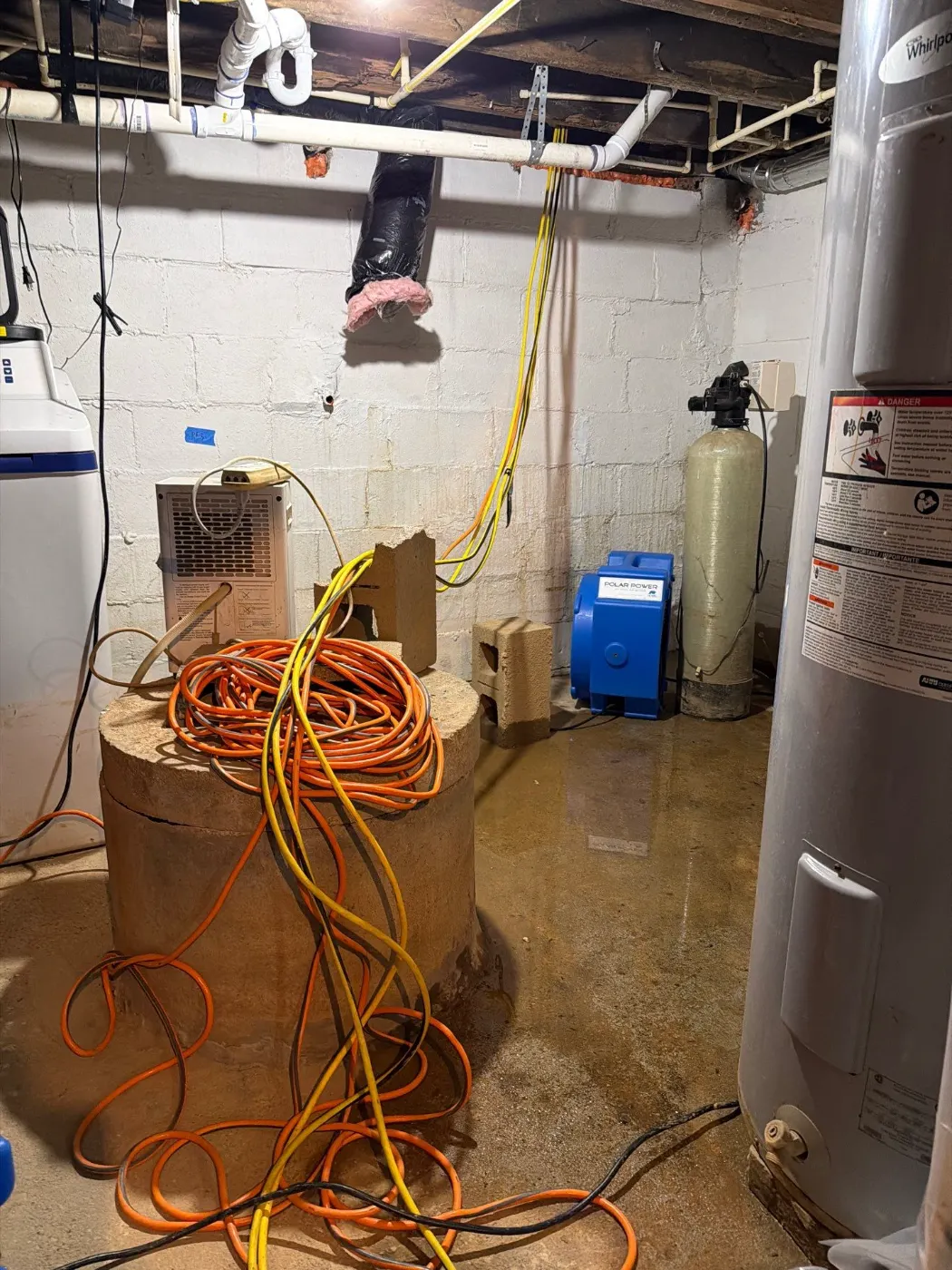
Commercial Storm Damage in Trafalgar, IN
Storm losses in Trafalgar get a drying plan sized to the building, with readings taken at the same spots daily.
For Commercial Storm Damage in Trafalgar, Trafalgar Water Restoration brings the equipment, the certifications, and the paperwork: 24/7 response, written scopes, and insurance claim support. Call (463) 223-3831 for dispatch.
- Service: Commercial Storm Damage for Trafalgar homeowners
- Service area: Trafalgar, IN and surrounding areas
- Response time: 24/7 answering with priority emergency dispatch across Trafalgar
- Licensed and insured (License #RC21100059)
- Serving Trafalgar, IN since 2018
Commercial Storm Damage Cleanup in Trafalgar
We handle commercial storm damage cleanup across Trafalgar, and we'll work around the parts of the building that need to stay open.
Storms Here
Damaging wind can hit here, and that puts roofs and rooftop equipment at risk. NWS Indianapolis posts summaries of past storms, which helps when your carrier asks for a date.
We respond to storm calls from businesses anywhere in Trafalgar, including those around Trafalgar Square. We also handle commercial storm damage in Franklin, Bargersville, Edinburgh and Princes Lakes.
Commercial Storm Damage for Trafalgar Businesses
During a downpour the roof drains can't keep up, and the overflow goes wherever the piping sends it. Water backs up an interior leader and escapes at a joint above the ceiling, then lands in the corridor below. Trafalgar Water Restoration pulls that water out of your Trafalgar building and dries the chase the leader runs through, with the water's category set by what it picked up on the way.
Where a roof drain or floor drain backed up, the crew confirms with your building engineer or plumber that the line is flowing before extraction starts. A line that's still backing up refills the floor as fast as it's pumped. The confirmation, along with a photo of the drain, is recorded in the job file for your Trafalgar building.
The first move on every Trafalgar Water Restoration commercial job is getting the water stopped. A crew puts a temporary dry in over the membrane breach or the open flashing detail, which gives the drying equipment underneath a chance to win. Extraction starts under the affected area while that's happening, and the roof stays on the work order until a permanent repair takes it over.
Business income claims usually rest on records from before the loss, such as sales reports and rent rolls, plus a dated account of which areas couldn't be used. Many policies also apply a waiting period before coverage starts. Your accountant and broker know the terms. Trafalgar Water Restoration logs the status of each area by date, with photos, so the closure dates in your Trafalgar claim have a source.
Stock or equipment sitting in water at your Trafalgar property is the first thing to mention when you call Trafalgar Water Restoration. The crew plans the move and the protection before extraction begins, and you get a photo list of what moved that tenants can use for their own claims.
Signs You Need Commercial Storm Damage Restoration
If you notice any of these in your Trafalgar building, schedule a free inspection before the issue worsens.
Floor boxes near the glass line with corrosion or standing water inside
Grout between floor tiles darkening in a pattern that spreads a little more each day
Vinyl tile or glue down carpet lifting at the seams out in the middle of a floor plate
Dock concrete that stays dark and cool to the touch for days after the surface water is gone
Water beading on the inside of curtain wall mullions or collecting on the sill
Rust streaks or white efflorescence running down an interior wall below a parapet line
Standing water ponding on the roof more than two days after the rain stopped
Water dripping from a light fixture, an air diffuser, or a sprinkler escutcheon after a hard rain
A supply diffuser dripping water or showing rust streaks after a storm
Wet or stained carpet along an interior column line with no plumbing fixture anywhere near it
How Trafalgar Water Restoration Handles Commercial Storm Damage
We follow these steps in order on every Trafalgar job.
Power and Safety Walk
Before extraction starts, the crew walks the wet areas with your building engineer and confirms which circuits serve them. Cords run through ground fault protection, and the electrician decides what can be reenergized.
Water Path Check
The crew traces the water from the roof breach down through the ceiling to the floors below and photographs the path. Water that backed up out of a drain tied into a sanitary line gets handled as sewage, and that call drives the protocol.
Water Category Call
Rain that started clean can worsen in category as it sits, so the crew classifies the water as it entered and again as it has aged. That call sets which materials get cleaned in place and which come out.
Midpoint Scope Review
Partway through the job, the crew compares the readings with the projected equipment period and tells the property manager if the schedule or the scope has moved. Added removal is photographed and explained before the work starts.
Equipment Out and Space Release
As each area reaches its dry goal, the equipment comes out of it and the space goes back to the tenant. The release date and final readings for every area go in the file.
Commercial Storm Damage in Trafalgar
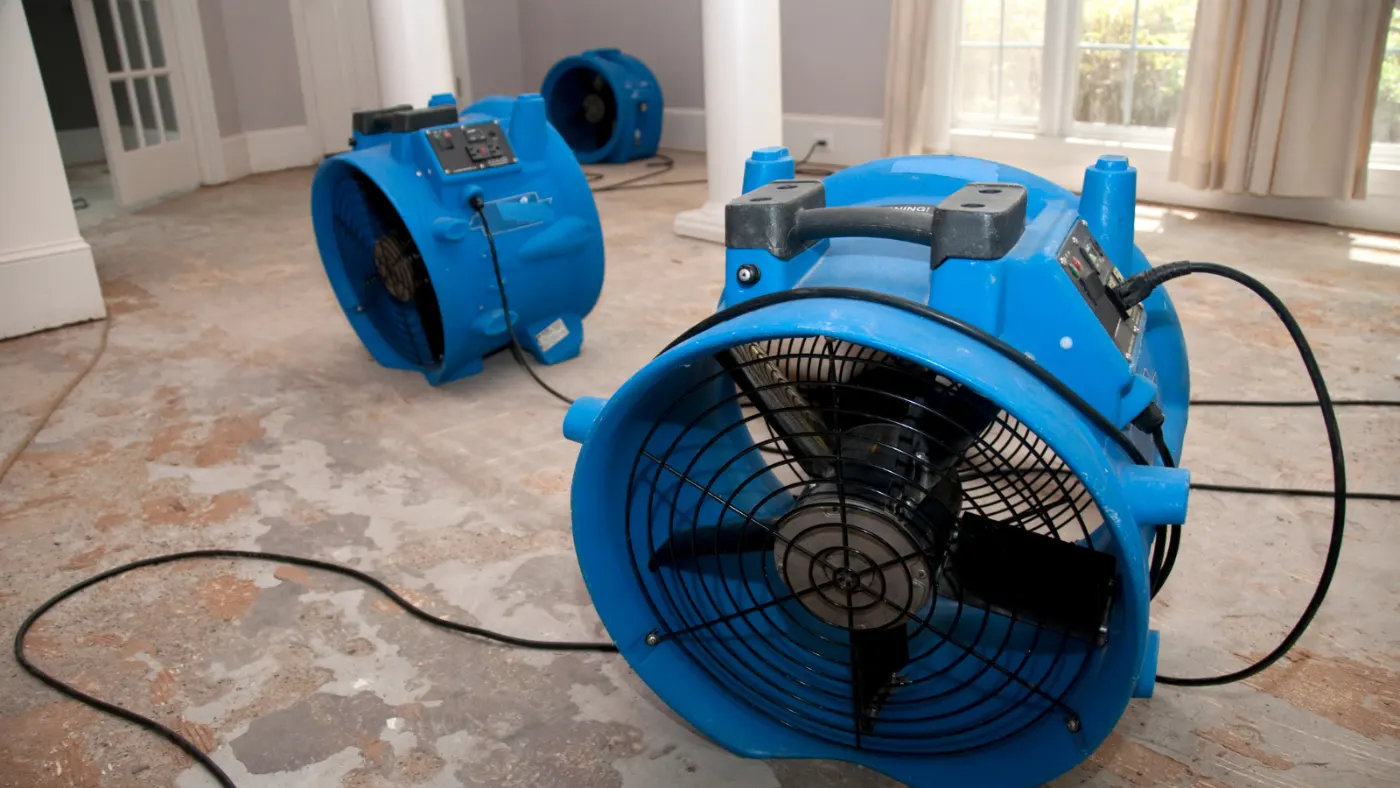
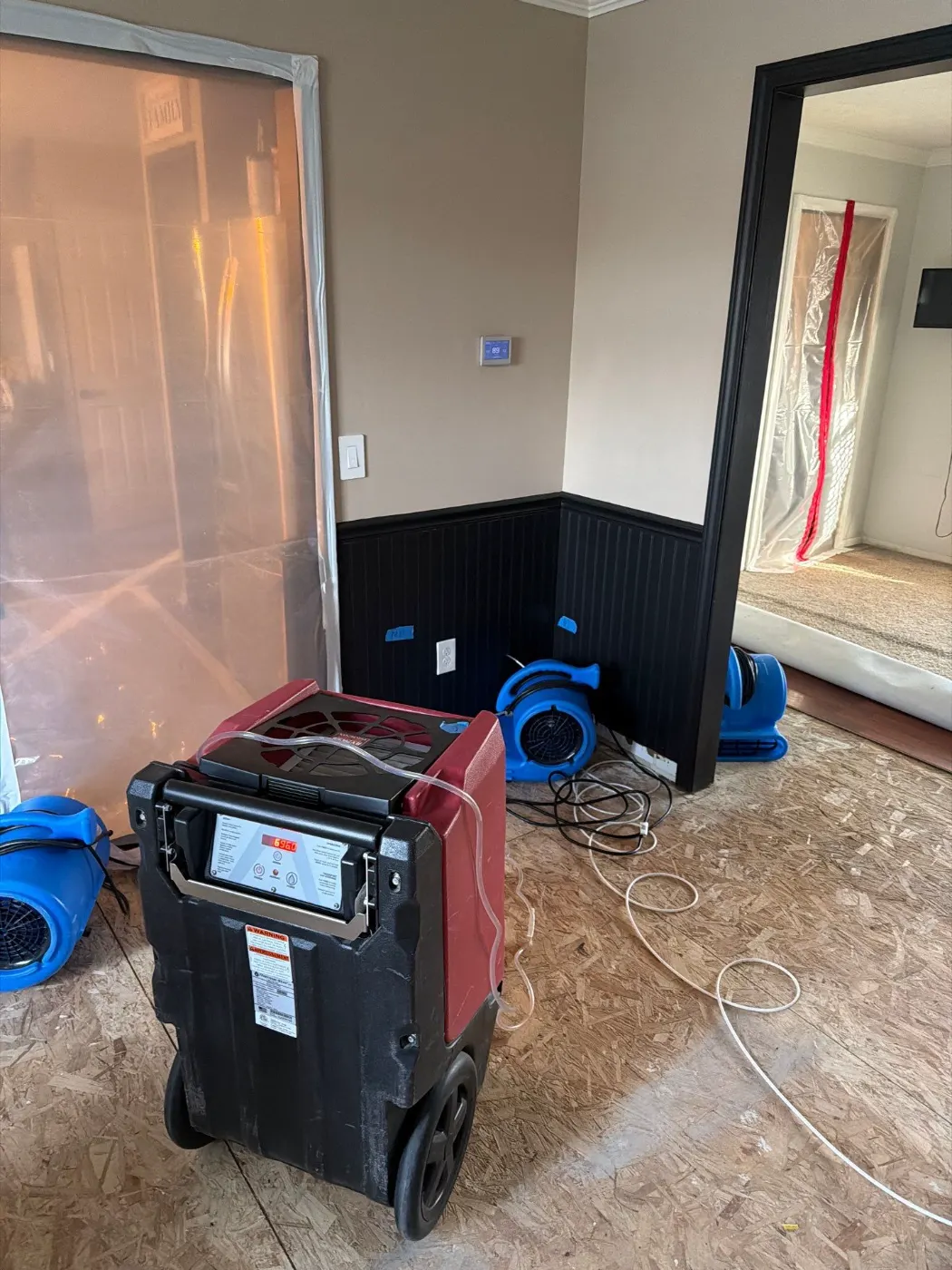
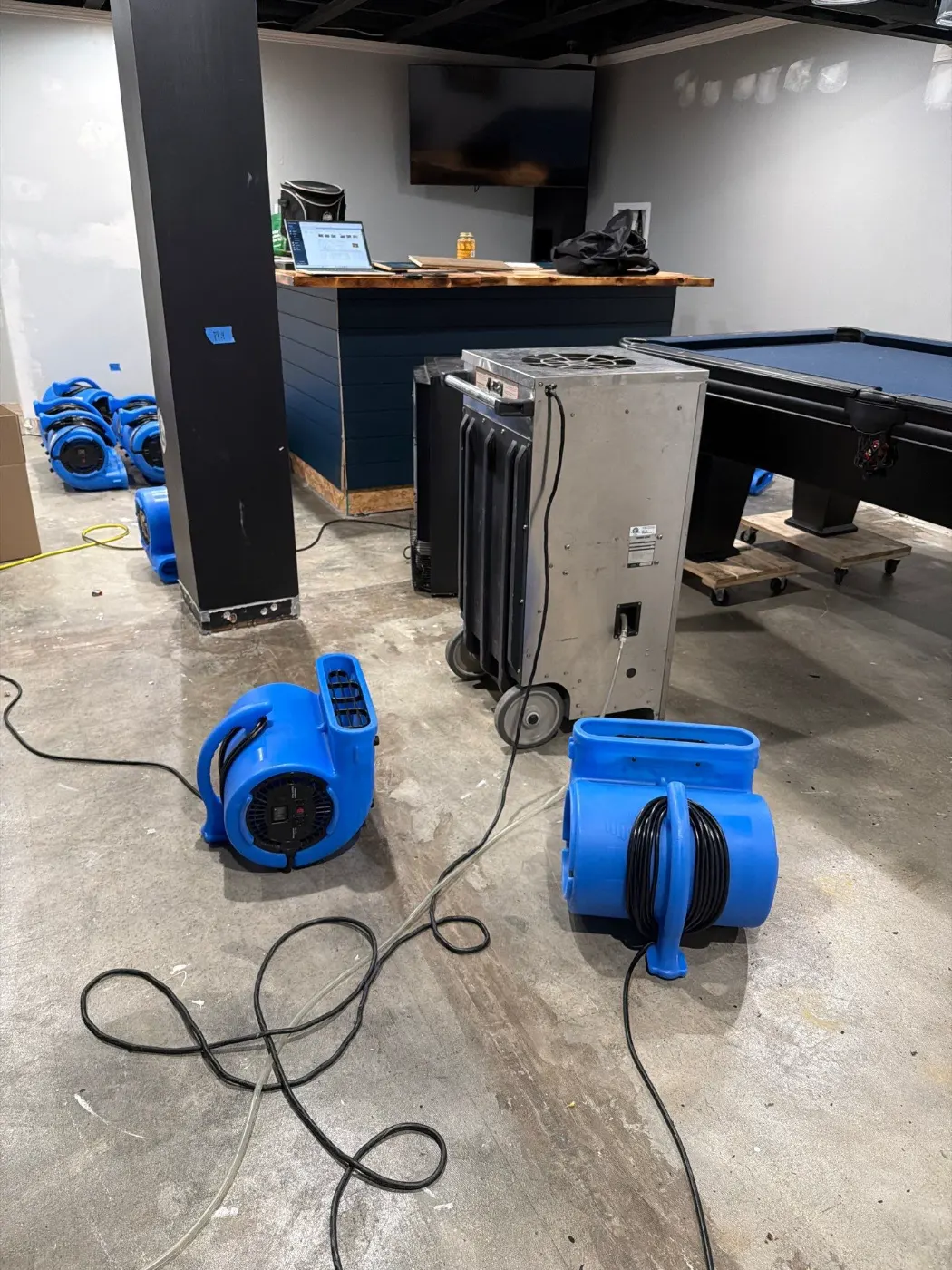
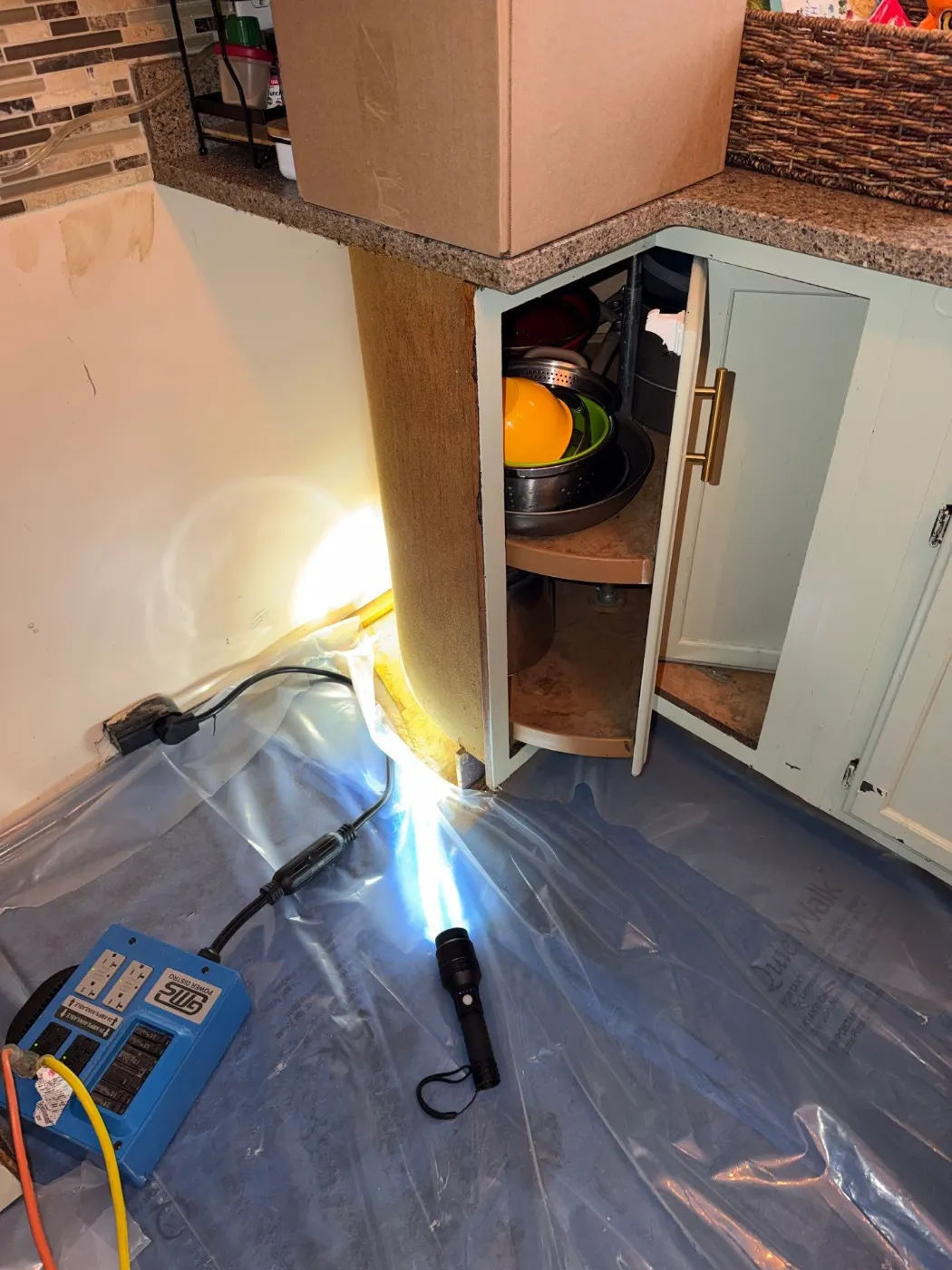
Photographs from real commercial storm damage jobs completed by our crew in Trafalgar and surrounding areas.
Commercial Storm Damage FAQ
Questions Trafalgar property managers ask us about commercial storm damage restoration.
Guidance and Standards for Commercial Storm Damage
- The National Weather Service office in Indianapolis posts summaries of recent central Indiana storm and flood events. NWS Indianapolis Event Summaries
- The ANSI/IICRC S500 is the published standard for professional water damage restoration. The current edition is the Fifth Edition, 2021. IICRC S500 Standard
Trafalgar Neighborhoods We Serve
We take commercial storm damage calls in every part of Trafalgar. Pick your neighborhood for local details.
Other Restoration Services in Trafalgar
Trafalgar Water Restoration handles the full scope of restoration work. Explore our other services below.
Water Damage Restoration in Trafalgar
24/7 emergency response. IICRC certified water restoration from extraction to full dry out.
Learn more →Basement Flooding in Trafalgar
Basement water emergencies handled fast. Extraction, drying, mold prevention.
Learn more →Sewage Cleanup in Trafalgar
Category 3 biohazard cleanup. Full containment, decontamination, structural restoration.
Learn more →Request Commercial Storm Damage Restoration
Reach Us Directly
Our team is available 24/7 for emergencies and ready to schedule inspections during business hours.
Need Immediate Help?
For active water or mold emergencies, call us directly. We are available 24/7.